Travel changes the body quickly. Long flights, airport stress, unfamiliar beds, late dinners, heat, alcohol, extra walking, and event schedules can all leave people feeling stiff, under-rested, or mildly overwhelmed. Restorative yoga addresses that reality directly.
Instead of pushing for effort, the session emphasizes support, stillness, breathing space, and gentle release. That is why it often works so well after weddings, parties, social weekends, and multi-day trips in Cabo. It gives the body time to exhale rather than asking for more output.
Why it fits travel so well
Guests do not need to be especially flexible or experienced to benefit from restorative work. In fact, many people find it more approachable than a stronger class because the focus is on nervous-system care and passive opening. For travelers who feel drained, puffy, tight, or out of rhythm, that can be much more useful than a high-energy flow.
The format is also kind to groups with mixed energy. One person may be ready for movement, another may need softness, and a third may simply want quiet time. Restorative yoga gives everyone a common experience without turning the session into a performance.
When groups tend to book it
- On arrival day or the morning after arrival.
- After wedding events or celebration-heavy evenings.
- Inside retreat schedules that need a calmer reset point.
- Before departure day when the group wants to end the trip well.
In Cabo, where guests often want both beauty and recovery, that kind of pacing can be incredibly valuable. It supports the trip instead of competing with it.
How to decide if it is the right fit
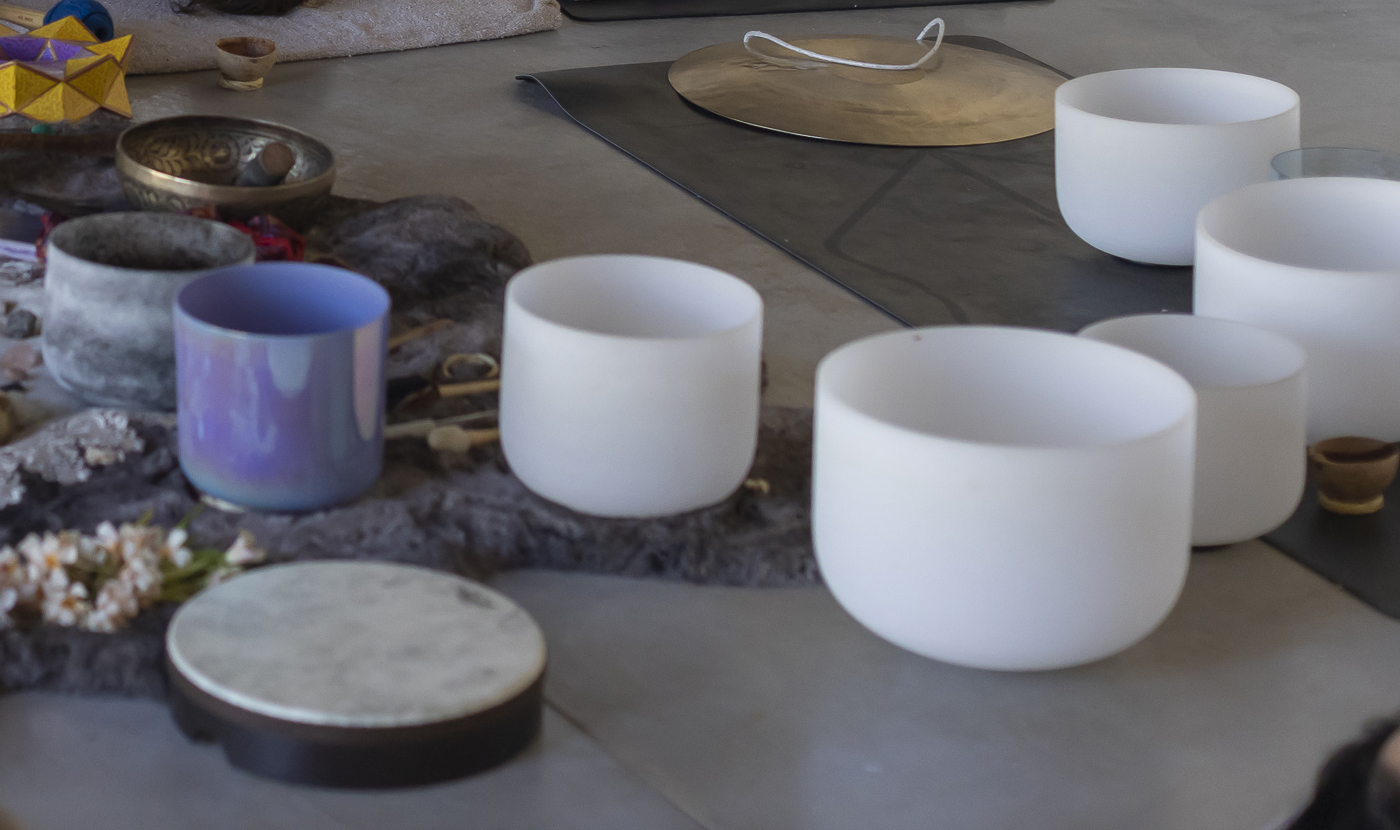
If the group wants something grounding, low pressure, and genuinely helpful for travel fatigue, restorative yoga is a strong choice. It can also pair beautifully with sound healing if the goal is full-body downshift rather than movement alone.
When you inquire, it helps to mention how the group is feeling and what the trip schedule looks like. That makes it easier to shape a session that truly serves the moment.